
Everyone has some important document, certificate, artwork, or academic and professional material, and if you want to keep them safe and organized, then you need a portfolio folder. A folder is not only to keep the documents; it shows the professionalism and organization. Whether you are a student, a working professional, or an artist, the right folder can make a good impression if you are preparing for academic submissions, important interviews, and showcasing your creative work. So, selecting the right portfolio folders is beneficial for organizing and protecting the document. In this blog, we will explore everything about folder like materials, sizes, styles, customization options, types, and features of folders.
What is the Portfolio Folder?
A portfolio folder is an organizer for important certificates, artwork, and documents that is designed to keep items secure and represent a person’s skills, experience, or achievements, and it includes projects, assignments, creative works, or professional samples. A folder can be used in professional or creative fields and in academic settings for assessment.
Importance of a Portfolio Folder
A portfolio folder plays an important role in showing who you are and what you can do and organizing them in a professional way. Employers or evaluators can see the quality of your work, and it represents all the documents in an organized way that shows the discipline and seriousness of a candidate, artist, student, or professional that reflects work ethic and standard. It also helps you to track growth and progress over time and supports interviews, and you can review your work easily, which helps to identify your strengths, weaknesses, and areas for improvement. So, a folder is not only a collection of documents and work; it is a professional identity tool that communicates your skills, experience, and potential effectively.
Types of Portfolio Folders by Material
Leather Portfolio Folder
A leather portfolio folder is a premium choice of maximum people and known for its durability and professional look and designed to show professionalism and enhance personal image during meetings and interviews.
Plastic Portfolio Folder
Plastic folder made from materials like polypropylene or pvc that is used to store, protect, and present different documents and artwork. these folders are durable and waterproof, so they are good according to different weather conditions.
Paper and Cardstock Portfolio Folder
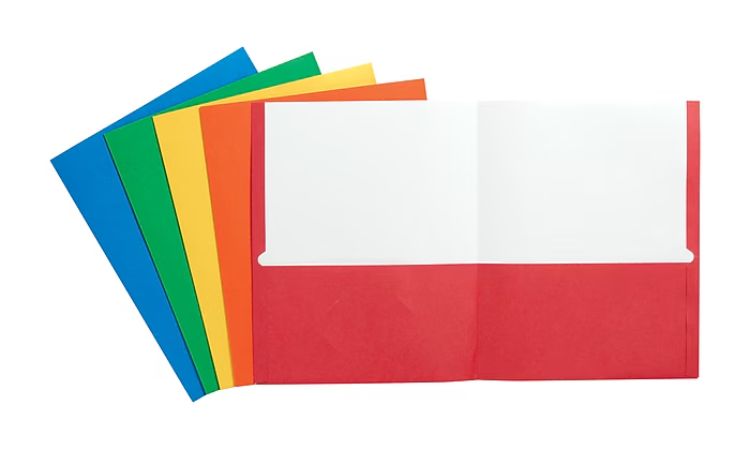
These folders are lightweight and a useful option for organizing and presenting documents. Paper and cardstock portfolio folders have internal pockets or sleeves for document protection and come in different sizes and colors.
Common Portfolio Folder Features
Here are many features of a folder that you will find in a folder:
Structure and Security
The purpose of a folder is to secure and to represent the document, so it should be structured with a zipper to prevent documents from falling out. A folder made from quality materials such as faux leather, top-grain leather, or durable polypropylene that is perfect for regular use.
Interior Organization
A portfolio folder also comes with multiple inner pockets and compartments for storing loose papers, brochures, and reports, and some folders also have slots for writing pad holders that allow for quick note taking.
Utility and Portability
A larger folder also comes with integrated handles that are helpful for easy transport, and an outside pocket also helps with easy access to items like keys, phones and boarding passes.
Customization and Style
Many folders also include a holder on the outside for identification and are available in many different styles with professional branding, like embossed logos and varied textures.
Choosing the Right Portfolio Folder Size
Selecting the right portfolio folder size is important to protect any document, because if a folder is too small, like a pocket folder, it can cause bending, and if it is too large, then it looks unprofessional, so select the folder according to your documents and requirements. Given below are the most common size options that are used by people.
Standard Sizes: Standard-size folders are used by business professionals, students, and job seekers, and the main standard sizes are three types. The first one is letter size, which is the most popular size in the U.S., and it is ideal for resume portfolio folders, certificates, business documents, and diploma folders. The next standard size is A4 size, and A4 is used globally and is perfect for international students, global business, and institutions. Another standard size is legal size, which is designed for contracts and legal paperwork; it provides you extra length space to keep and secure important documents.
Oversized Folders for Art Portfolios: Oversized art portfolio folders are commonly used to hold large artwork, photographs, blueprints, and other design layouts by artists, photographers, architects, and design students. So, if you are looking for a folder in a large size, then oversized folders are the best choice that helps you to protect your artwork, design, and other important documents in a large size.
Color and Design Options
Many color and design options are available for folders, and the look of a folder plays an important role in how documents are perceived. Selecting the right color and design affects professionalism and appearance. One option is a black portfolio folder, which is a professional choice for corporate interviews and meetings, because black folders are classic and suitable for every professional environment. Other option is a personalized portfolio folder, which allows you to add names, titles, dates, and logos, and this folder is ideal for graduation ceremonies, corporate gifting, and award presentations. Next one is a custom portfolio folder, which is commonly used by institutions, schools, and businesses, and it offers complete design flexibility like material choices, color choices, and interior pocket layouts.
What Should You Keep Inside a Portfolio Folder?
A folder is designed to protect and organize important documents, and it should contain your resume and cover letters, certificate paper, career summary, award letters and transcripts, contact info, and artwork or work samples like designs, articles, projects, experience and achievements in detail.
How can a Portfolio Folder Be Customized?
You can also customize your portfolio folder according to requirements, which is especially valuable for diploma folders and corporate presentations using different quality materials. A folder can be customized differently to reflect personal identity like logo embossing or foil stamping, name or title, custom colors, and interior pockets, clips or certificate holders.
Conclusion
Choosing the right portfolio folder is important for any professional, artist and students because it is not just a place to store documents; it is an investment in presentation, organization, and professionalism that protects important documents, certificate and artwork. Many factors affect when you select the folder like size, material, and color, and different sizes are also available like letter, A4, legal, or oversized folders. So, a well-chosen folder helps to protect important documents and improves organization, so understand your specific needs and select a folder that not only protects your work but also represents your achievements with professionalism.
FAQs
What is the standard size for portfolios?
There are many standard sizes available like letter, A4, and legal, but the most common standard portfolio size is letter, which is suitable for resumes, certificates, and other business documents.
What are portfolio materials?
Different materials are available for portfolio folders, which are commonly made from leather, plastic, fabric, or paperboard.
What is the ideal portfolio folder size?
The size of the portfolio folder depends on your document and profession, but common professional sizes are 8.5×11, 11×17, and A1/A2.
What are the 5 parts of a portfolio?
The 5 parts of a portfolio are a title page, table of contents, cover letter, work samples, and self-assessment that shows growth and skills, with other sections like a resume or goals that provide context for reviewers.